
Where the Giants Breathe: Whale Watching on Alaska’s Icy Strait
Three hours on the nutrient-rich seam of Southeast Alaska, where humpbacks rise like islands and the strait writes its own weather.
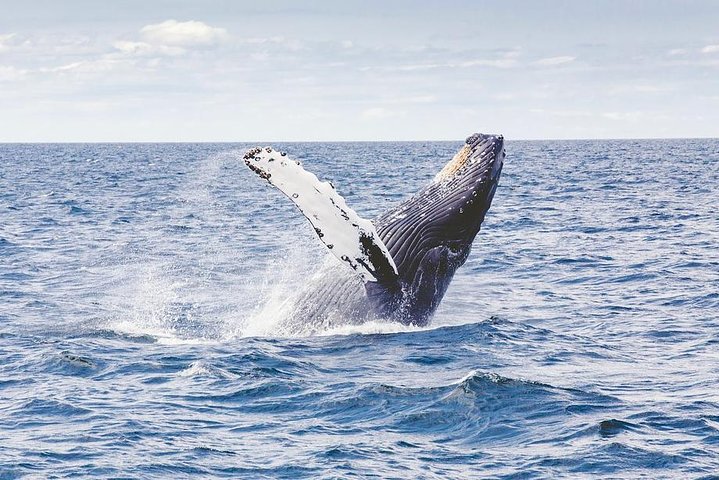
The first thing you hear is the exhale—a deep, percussive whoompf that seems to lift the fog itself. On Icy Strait, the sound arrives before the sight, a signal from below that a humpback has come up for air. The strait holds its breath with you. Then a dark back arcs into the gray-blue light, a dorsal fin cuts the skin of the water, and a fluke lifts high, rains silver, and slips away. The boat hums steady, the shoreline of Chichagof Island keeping quiet watch as the tide muscles past points and reefs. Eagles pace the treeline. The cold rolls in low, not aggressive but insistent—Alaska making sure you know exactly where you are.
Trail Wisdom
Layer Like a Local
Wear a moisture-wicking base, warm mid-layer, and waterproof shell—temperatures swing fast between cabin and deck.
Anti-Nausea Early
If you’re prone to motion sickness, take medication 30–60 minutes before departure and pick a midship spot outside for fresh air.
Respect the Rail
Keep cameras and phones on a wrist strap and use the rail for stability when the boat turns or slows near wildlife.
Bring Binoculars
A compact 8x or 10x pair helps you spot blows and birds first, so you’re ready when whales surface closer.
Local Knowledge
Hidden Gems
- •Historic Cannery Museum boardwalk at Icy Strait Point
- •Tidepools along the beach east of the dock at low tide
Wildlife
Humpback whales, Sea otters
Conservation Note
Responsible operators follow NOAA whale-watching guidelines, maintaining slow speeds and safe distances to reduce stress on marine mammals.
Hoonah is the largest Tlingit community in Alaska; Icy Strait Point’s restored 1912 cannery reflects the region’s salmon boom era.
Seasonal Guide
spring
Best for: Early humpback arrivals, Quieter waters
Challenges: Chilly wind, Unpredictable showers
May and early June bring returning whales and lighter crowds. Expect cool temps and layered conditions.
summer
Best for: Peak whale activity, Long daylight
Challenges: Busier port days, Afternoon chop
June through August is prime time for feeding humpbacks and potential bubble-net behavior, with the most reliable sightings.
fall
Best for: Fewer boats, Moody light for photography
Challenges: Shorter days, Increased storms
September can still be excellent as whales fuel up for migration. Be ready for rain and dramatic skies.
winter
Best for: Quiet coastline, Local birdlife
Challenges: Limited tour operations, Cold, rougher conditions
Most cruise-based tours pause; independent options may be sparse. Expect cold temps and wind-driven seas.
Photographer's Notes
What to Bring
Waterproof Shell JacketEssential
Wind and spray are common on deck; a shell keeps you warm and dry so you can stay outside for sightings.
Binoculars (8x–10x)
Improves your ability to find blows, birds, and distant wildlife before they come within photography range.
Telephoto Lens (70–200mm or 100–400mm)
Gives you reach without crowding wildlife, ideal for tail flukes and breaches at a respectful distance.
Light Gloves & Warm HatEssential
Keeps hands nimble for cameras and binoculars while cutting windchill on open decks.
Common Questions
Are whale sightings guaranteed?
Sightings are very likely in summer on Icy Strait, but wildlife is never guaranteed. Operators position trips for the best chance based on recent activity.
Is this tour suitable for kids?
Yes. The three-hour duration and stable vessel make it family-friendly, though children should be supervised near railings.
Will I get seasick on Icy Strait?
Waters are often moderate, but the strait can be choppy. If you’re sensitive, medicate in advance and stay outside midship for steady air and horizon views.
Is there a restroom onboard?
Yes. Vessels used for this tour typically have a marine restroom; ask your operator for specific amenities.
What should I wear?
Dress in warm layers with a waterproof shell and closed-toe shoes. Even on calm days, wind and spray can lower perceived temperature.
How close will we get to whales?
Captains follow federal approach rules that keep at least 100 yards from humpbacks. If whales come closer, it’s because they choose to approach.
What to Pack
Waterproof shell and warm layers for wind and spray; binoculars for early spotting; telephoto camera lens with wrist strap for secure shooting; motion-sickness tablets taken in advance for comfort.
Did You Know
Humpback whales in Southeast Alaska often practice cooperative bubble-net feeding—a complex, learned behavior unique to certain groups and regularly observed in Icy Strait and nearby Glacier Bay waters.
Quick Travel Tips
Book early for morning departures when seas are often calmer; Bring a small dry bag to keep cameras and phones protected; Plan buffer time around your ship’s schedule in case wildlife keeps you enthralled; Tipping your crew is customary for great guiding and safe wildlife practices.
Local Flavor
After your tour, head to Icy Strait Brewing in downtown Hoonah for a locally brewed pint and harbor views. At Icy Strait Point, the Cookhouse Restaurant serves halibut chowder and salmon—simple, hearty, and perfect after a chilly deck watch. If time allows, catch a cultural performance at the Heritage Theater to connect the day’s water stories to Tlingit traditions.
Logistics Snapshot
Closest airport: Hoonah (HNH), with frequent connections via Juneau (JNU). Cruise passengers disembark at Icy Strait Point—tour check-in is a short walk from the dock. Driving from Hoonah to the port takes about 10 minutes. Cell service can be spotty; download confirmations ahead of time. No permits required for the tour; dress warm and arrive 15 minutes early.
Sustainability Note
Choose operators that participate in Whale SENSE or follow NOAA guidelines—keep noise low, never pressure whales, and pack out all trash. Refillable bottles and reusable layers reduce single-use waste in a sensitive marine environment.
Continue Reading

Rainforest Two Ways: Zipline and ATV from San José to the Edge of Carara
From San José’s morning bustle to a jungle canopy and river-splashed ATV tracks, this day trip near Carara National Park delivers Costa Rica at two speeds. Fly through the trees, ford mountain streams, and finish with salt air in your lungs—all in one well-orchestrated adventure.
Jacó, Puntarenas Province

Edge of the Empire: Hiking Jiankou to Mutianyu on the Great Wall
Hike from the wild, unrestored stones of Jiankou to the polished watchtowers of Mutianyu on a five-hour traverse just outside Beijing. It’s a rare blend of solitude, story, and sweeping ridge views—where the Great Wall dares you upward and rewards you at every tower.
Beijing, Beijing